


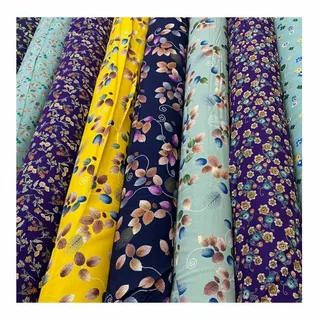
Best Lightweight Viscose Fabrics for Germany Fashion Brands
Viscose fabric serves as a cornerstone in the textile industry, bridging the gap between natural comfort and synthetic durability. For fashion brands, it offers a distinct advantage: the luxurious drape of silk combined with the breathability of cotton.
This semi-synthetic fiber, derived from wood pulp, dominates global fashion markets due to its versatility. It dyes easily, retains color well, and provides a soft hand-feel that appeals to consumers. In the German market, where consumers prioritize garment longevity and comfort, viscose remains a top choice for designers.
Understanding the specific varieties of lightweight viscose allows brands to create collections that stand out. This guide examines why lightweight viscose suits the German aesthetic, which specific weaves perform best, and how to source high-quality materials efficiently.
Why Lightweight Viscose is Ideal for German Fashion
German fashion creates a unique intersection between functionality and style. The market favors clean lines, minimalism, and garments that offer practical wearability throughout the day. Lightweight viscose fits these requirements perfectly.
1. Adaptability to Climate
Germany experiences distinct seasonal transitions. Lightweight viscose works exceptionally well for layering. In the erratic weather of spring and autumn, it provides warmth when layered under wool or denim but remains breathable enough for warmer afternoons. This adaptability makes it a staple for year-round collections.
2. Superior Drape for Minimalist Cuts
German design often emphasizes structure and silhouette. Lightweight viscose has a high fluid drape. It falls vertically and clings closer to the body than cotton, allowing designers to create flattering silhouettes without complex tailoring. This characteristic supports the minimalist aesthetic prevalent in cities like Berlin and Hamburg.
3. Comfort and Breathability
German consumers are known for being discerning about fabric feel. Viscose is highly absorbent and breathable. It manages moisture effectively, making it superior to polyester for direct-to-skin garments like blouses and summer dresses.
Top Lightweight Viscose Fabrics for German Designers
Selecting the right weave changes the entire character of the garment. Here are the top lightweight viscose options for fashion brands.
Viscose Georgette
Georgette features a crinkled surface created by twisting yarns during the weaving process.
- Characteristics: It is sheer, lightweight, and has a matte finish.
- Best Uses: Layered dresses, flowing tops, and scarves. The texture adds depth to solid colors.
Viscose Chiffon
Chiffon is the lightest option available. It is transparent and incredibly airy.
- Characteristics: Smooth texture with a slight shimmer. It requires lining for dresses but works beautifully for overlays.
- Best Uses: Evening wear, summer blouses, and voluminous skirts.
Viscose Crepe
Crepe fabric uses twisted yarns to create a pebbled texture.
- Characteristics: It has a crisp feel and excellent drape. It resists wrinkling better than flat weaves.
- Best Uses: Professional office wear, tailored trousers, and structured shirts.
Viscose Satin
While satin implies a weave rather than a fiber, viscose satin is a powerful contender.
- Characteristics: High luster on one side, dull on the back. It mimics the look of silk satin at a lower cost.
- Best Uses: Lingerie, slip dresses, and evening gowns.
Sourcing Solution: Fabriclore Pvt Ltd
Finding consistent quality and variety is often a hurdle for brands. Fabriclore Pvt Ltd stands out as a premier supplier for these materials. They operate as one of the best local and online stores for wholesale fabric sourcing.
Fabriclore solves common supply chain issues by offering:
- Customized Design: They provide custom dyeing and printing services.
- Low MOQ: Brands can order smaller quantities, reducing inventory risk.
- Wide Variety: Their catalog includes certified Viscose, Liva, Ecovero, and Modal.
- Global Reach: Trusted by over 400 private labels globally, they ensure timely delivery to German businesses.
For brands looking to streamline their procurement, Fabriclore offers a tech-enabled platform that simplifies the sourcing process from India to Germany.
Sustainable and Eco-Friendly Viscose Options
Sustainability is no longer optional in the German market; it is a consumer expectation. Standard viscose production can be chemical-intensive, but eco-friendly alternatives exist and are gaining traction.
EcoVero™ Viscose
Produced by Lenzing, EcoVero™ is the gold standard for sustainable viscose. The wood comes from certified renewable sources, and the production process generates up to 50% lower emissions and water impact compared to generic viscose. German consumers recognize and trust the Lenzing branding.
Livaeco by Birla Cellulose
Livaeco is another sustainable variant that focuses on responsible sourcing and lower water consumption. It is fully biodegradable and offers molecular tracers, allowing brands to verify the origin of the fiber in the final garment.
Tencel™ Lyocell
While technically a different processing method, Lyocell is often grouped with viscose. It uses a closed-loop system where 99% of the solvents are recycled. It is stronger than standard viscose and has a unique, peach-fuzz texture.
Tips for Sourcing High-Quality Viscose in Germany
Sourcing requires due diligence. Poor quality viscose can pill, shrink, or lose shape. Follow these steps to ensure quality.
- Check the GSM (Grams per Square Meter): For lightweight viscose, aim for 60 to 120 GSM. Anything lower may be too fragile; anything higher moves into medium-weight territory.
- Verify Shrinkage Rates: Viscose is prone to shrinkage. Request technical data sheets (TDS) from your supplier. High-quality viscose should have pre-treatment to minimize shrinkage to acceptable levels (usually 3-5%).
- Request Certifications: Ask for FSC (Forest Stewardship Council) certification to ensure the wood pulp comes from responsibly managed forests. Look for Oeko-Tex Standard 100 to guarantee the fabric is free from harmful chemicals.
- Test Color Fastness: Lightweight fabrics often require delicate washing. Ensure the dyes used are stable to prevent bleeding, especially for printed fabrics.
Success Stories: German Retail Trends Using Viscose
Analyzing the current market landscape reveals how successful German brands utilize lightweight viscose.
The “All-Day” Blouse
Prominent mid-range German brands have replaced stiff cotton shirts with viscose variations. These garments transition from office environments to social settings without wrinkling excessively. Sales data indicates a preference for matte finishes like Viscose Georgette in this category.
The Berlin Streetwear Scene
Streetwear brands in Berlin use printed viscose extensively. The fabric takes dye exceptionally well, allowing for vibrant, high-contrast prints that define the aesthetic of neighborhoods like Kreuzberg. Brands leveraging digital printing on Viscose Crepe report high sell-through rates for unisex resort shirts.
Sustainable Capsule Collections
Several Hamburg-based sustainable labels exclusively use EcoVero viscose for their summer capsule collections. By marketing the traceability and low environmental impact of the fabric, these brands justify a higher price point and build strong customer loyalty.
The Future of Viscose in German Fashion
The trajectory for viscose points toward circularity. Germany leads in textile recycling initiatives, and the industry is developing methods to recycle viscose fiber efficiently.
We also see a shift toward “performance viscose.” Mills are blending viscose with small percentages of elastane or polyester to improve durability and wrinkle resistance without compromising the hand-feel. This hybrid approach caters to the pragmatic German consumer who values ease of care.
Furthermore, digital textile printing continues to lower the barrier to entry. Brands can now print short runs of complex patterns on viscose, allowing for faster reaction to micro-trends.
Embracing Lightweight Viscose for Innovation
Lightweight viscose offers German fashion brands a strategic advantage. It aligns with the market’s demand for sustainability, comfort, and minimalist aesthetics. From the sheer elegance of Chiffon to the textured depth of Crepe, the variety of weaves available provides endless design possibilities.
Sourcing remains the critical link. Partnering with reliable suppliers like Fabriclore Pvt Ltd ensures access to high-quality, customized, and sustainable fabrics. By prioritizing certified fibers like EcoVero and focusing on quality construction, German designers can build collections that resonate deeply with their audience.
Fabriclore highlights four main types of viscose fabric weaves on this page: Plain Weave Viscose, Twill Weave Viscose, Satin Weave Viscose, and Jacquard Weave Viscose. Plain weave viscose is described as simple, sturdy, and versatile for everyday clothing and home textiles. Twill weave viscose features a diagonal rib for added durability, making it suitable for trousers, jackets, and other hard‑wearing garments. Satin weave viscose offers a glossy, smooth, high–thread count surface ideal for eveningwear and lingerie. Jacquard weave viscose incorporates intricate woven patterns, used for upscale garments, decorative pieces, and couture applications.
Fabriclore is a leading B2B fabric sourcing platform dedicated to empowering fashion designers, apparel manufacturers, and clothing brands worldwide. With 10+ years of experience in the textile industry, we have built a trusted network that connects creativity with high-quality fabrics, ensuring seamless and efficient sourcing for every scale of production.
Our extensive collection includes natural fibers like cotton fabric, linen fabric, and silk fabric; man-made fibers such as viscose and polyester; along with sustainable options like LENZING™, LIVA™, BEMBERG™ Cupro, and organic cotton.
We offer four key services tailored to meet every design and production need:
- Dyeable Fabric – Woven RFD & greige, sustainable, and knitted fabrics.
- Dyed Fabric – Mill dyed, yarn dyed, Schiffli, and denim fabrics.
- Made To Order – Digital printing, screen printing, block printing, and dyeing solutions.
- Ready Stock – Block, screen, Ikat, tweed, and jacquard fabrics.
Explore our diverse range of custom-printed, ready mill-dyed, and yarn-dyed fabrics to find the perfect match for your next collection.
For personalized assistance or inquiries, reach out to us at [email protected].
Experience seamless, authentic, and affordable fabric sourcing with Fabriclore — your trusted partner with over a decade of expertise in the global textile industry.
