


What A Custom Plastic Card Company Can Do For Your Business
Picture a business owner who needs gift cards for the holidays, loyalty cards for regular customers, and key tags for a new rewards program. All of them have to match the brand, scan at the register on the first try, and arrive before the launch date. Handling that alone means juggling designers, printers, and point-of-sale settings at the same time.
Working with a custom plastic card company brings all of those pieces under one roof. The right partner turns an idea into finished cards that look professional, work with existing systems, and hold up through years of daily use.
What a Custom Plastic Card Company Does
These companies design, print, personalize, and ship plastic cards built for business use. The work starts with artwork and ends with finished cards ready to hand to customers.
Between those two points, the company prints the design onto durable PVC, adds features such as barcodes or magnetic stripes, and checks the batch before shipping. Businesses receive a complete product rather than a stack of parts to assemble themselves.
Core Services a Card Company Provides
Most card companies offer a mix of creative, technical, and quality services. Together, these services decide whether a card simply looks good or also performs well at the counter.
Design and Artwork Support
Strong cards start with clean, well-prepared artwork. Many card companies help businesses adapt a logo and brand colors to the small card format, or let them upload finished files for review.
Experienced design support catches common problems early, such as low-resolution images, text placed too close to the edge, or colors that print darker than expected. Fixing these issues before printing prevents wasted cards and reorders.
Full Color Printing on Durable PVC
Most custom plastic cards are printed on rigid PVC at the CR80 size, which matches a standard credit card. Full color printing reproduces logos, photos, and gradients sharply, while a protective coating guards against scratches and fading.
Standard sizing matters because card readers, wallets, and holders are built around it. International standards cover card materials, construction, characteristics, and dimensions for four sizes of cards, giving manufacturers a shared reference for cards that fit and function correctly.
Barcodes, Magnetic Stripes and QR Codes
Encoding turns a printed card into a working tool for the business. Common options include:
- Barcodes for fast scanning at the register
- Magnetic stripes for swipe-based POS systems
- QR codes that link to websites or sign-up pages
- Encoded data matched to the business’s software
Matching the encoding format to the existing system is essential, since a card that will not scan creates delays at checkout. Experienced card companies confirm these settings before production begins.
Variable Data and Sequential Numbering
Variable data printing gives individual cards their own unique details. Sequential numbers, member names, account codes, and expiration dates can all print on cards within the same order.
Unique numbering lets a business track gift card balances, link loyalty points to the right customer, and identify members at check-in. Accurate data printing also prevents duplicate numbers that could cause errors in the POS system.
Finishes and Card Options
Finishes and add-ons help a card match its purpose and the brand’s style. Popular options include:
- Gloss or matte coating: Gloss adds shine and color depth, while matte gives a softer, modern look.
- Signature panel: Writable strip on the back for member or cardholder signatures.
- Scratch-off panel: Hides PINs or promo codes until the customer reveals them.
- Rounded corners: Create a smooth, professional edge that resists bending.
- Matching key tags: Pair with a card for programs customers carry on their keyring.
The right combination depends on how customers will use the card. Too many add-ons can raise costs without adding much value.
Proofing and Quality Checks
Professional card companies send a digital proof before printing begins. Businesses can review colors, spelling, layout, and data placement, then approve the final design.
Quality checks continue during and after production. Teams inspect print accuracy, test encoding, and confirm numbering, catching errors before cards reach the business or its customers.
Card Programs One Company Can Support
Working with a single card company keeps branding consistent across several programs at once. Common card types include:
- Loyalty and rewards cards
- Gift cards
- Membership and ID cards
- Discount and fundraising cards
- Key tags and combo cards
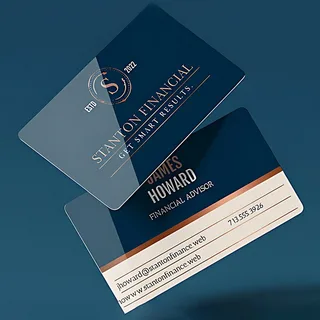
- Plastic business cards
Ordering from one source keeps colors, logos, and card quality matched across all programs. Reorders also become simpler when one partner already holds the artwork and data settings.
How a Card Company Helps Your Business
Beyond printing, the right partner saves time and protects the quality of the brand. Several advantages stand out for growing businesses.
Consistent Branding Across All Cards
Cards printed by the same company share matching colors, logo placement, and finish. Customers see the same professional look whether they hold a gift card, a loyalty card, or a key tag.
Consistency builds trust over time. Mismatched cards from different printers can make a business appear disorganized, even when the service itself is excellent.
Reliable POS Compatibility
Card companies that work with point-of-sale systems regularly know the formats those systems expect. Barcode types, magnetic stripe tracks, and number lengths are set up correctly from the start. Compatible cards scan and reduce checkout delays. Staff spend less time entering numbers by hand, and customers enjoy a smoother experience at the register.
Time Saved and Easier Growth
Outsourcing card production frees owners and staff to focus on running the business. Design reviews, printing, and quality checks are handled by a team that does this work daily. Growth becomes easier too. When a program expands, reorders can match the original cards exactly, and higher volumes usually lower the cost of individual cards.
Card Company vs In-House Card Printing
Some businesses consider printing cards themselves with a desktop card printer. Comparing the two options side by side clarifies the trade-offs.
| Factor | Custom Plastic Card Company | In-House Card Printer |
| Upfront cost | No equipment purchase | Printer, software, and supplies |
| Print quality | Full color, edge-to-edge, protective coating | Varies by printer model |
| Encoding | Barcodes, magnetic stripes and numbering included | Requires added modules or software |
| Large orders | Handles hundreds or thousands of cards | Slow for high volumes |
| Upkeep | Managed by the card company | Ribbons, cleaning, and repairs |
| Best for | Branded programs and bulk orders | Small runs of on-demand ID cards |
In-house printers suit businesses that need a few photo IDs on demand. Branded loyalty, gift, and membership programs usually benefit from professional production.
What to Look for in a Custom Plastic Card Company
Not all card printers offer the same level of service. Before placing an order, look for a company that offers:
- Experience encoding cards for POS systems
- Digital proofs before production
- Durable PVC with protective coating
- Consistent quality across large batches
- Clear production timelines
- Easy reordering with saved artwork
Card quality also reflects on the business that hands the card out, and 72% of consumers associate a correlation between the quality of the promotional products and the company’s reputation. Choosing a reliable custom plastic card company protects that first impression.
Before You Request a Quote
- Card type and quantity needed
- Logo files and brand colors
- Barcode, magnetic stripe, or numbering needs
- POS system name and settings
- Target delivery date
Important FAQs
How much do custom plastic cards cost?
Costs depend on quantity, card features, and finishes. Larger orders usually lower the price of individual cards, while magnetic stripes, numbering, and special finishes add to the total. Requesting a written quote gives the most accurate figure.
Can custom plastic cards work with my POS system?
Yes, in most cases, since card companies can encode barcodes or magnetic stripes in the formats POS systems expect. Share your system name and card settings before ordering to confirm the cards will scan correctly.
Bottom Line
Plastic cards carry a brand into wallets, onto keyrings and across checkout counters for years. The right custom plastic card company handles the design, printing, encoding and quality checks that keep those cards looking sharp and working reliably. Choosing that partner carefully pays off in smoother programs and a stronger professional image.
Card programs run smoothly when the cards, the key tags and the numbers behind them all come from one source. Duracard prints custom full-color PVC cards and matching key tags with barcodes, magnetic stripes, and variable numbering encoded to work with more than 200 point-of-sale systems. Businesses looking for a dependable custom plastic card company can talk through their next program with Duracard.
Read More: How To Choose the Right Plastic Card Printing Services
