


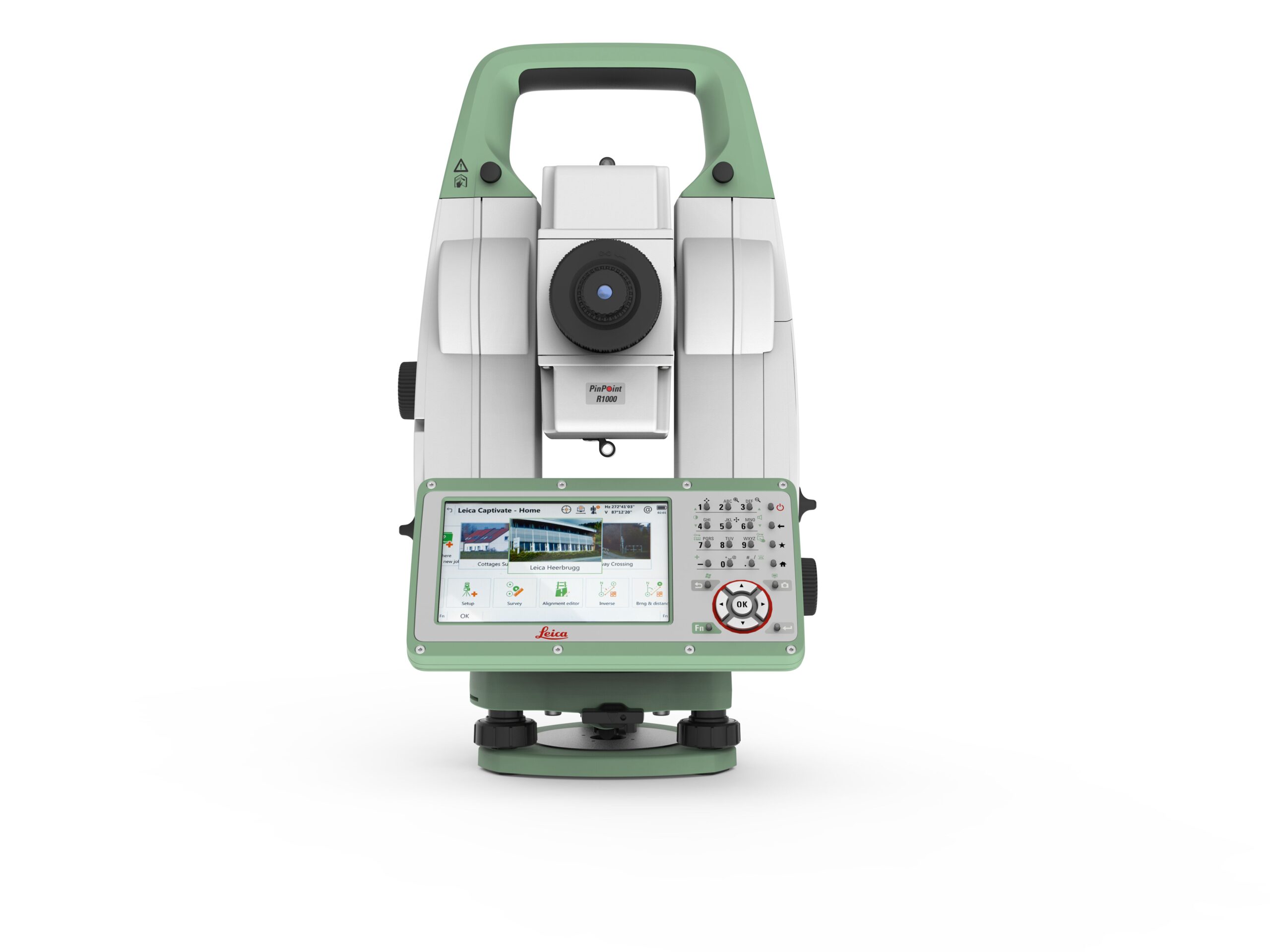
How to Maintain and Calibrate a Robotic Total Station
A robotic total station is one of the most advanced instruments used in modern surveying, construction layout, and engineering measurement. It combines precision optics, laser technology, and automated tracking to deliver highly accurate spatial data. However, like any high-precision equipment, it requires regular care and proper calibration to ensure reliability.
This article explains How to Maintain and Calibrate a Robotic Total Station, covering essential steps, best practices, and common mistakes to avoid.
Understanding the Importance of Maintenance and Calibration
Before learning How to Maintain and Calibrate a Robotic Total Station, it is important to understand why it matters.
A robotic total station is sensitive to dust, vibration, temperature changes, and improper handling. Even minor misalignment can lead to significant errors in surveying results. Regular maintenance ensures:
- Long-term accuracy and stability
- Reduced downtime and repair costs
- Better field performance in harsh environments
- Extended equipment lifespan
Calibration, on the other hand, ensures that the instrument’s angular and distance measurements remain precise and consistent with manufacturer standards.
How to Maintain and Calibrate a Robotic Total Station: Daily Maintenance Practices
Daily care is the foundation of reliable performance. When considering How to Maintain and Calibrate a Robotic Total Station, start with routine field maintenance.
1. Clean the Instrument Properly
- Use a soft, lint-free cloth to clean lenses and housing
- Avoid harsh chemicals or abrasive materials
- Remove dust and dirt after every field session
2. Handle with Care
- Always carry the instrument in a protective case
- Avoid sudden impacts or vibrations
- Lock the compensator during transport
3. Battery Management
- Charge batteries fully before fieldwork
- Store batteries in a cool, dry place
- Replace damaged or swollen batteries immediately
4. Environmental Protection
- Avoid exposure to heavy rain unless the device is rated for it
- Do not leave the instrument under direct sunlight for long periods
- Use sunshades or covers in extreme conditions
These steps are the first layer of ensuring reliability in How to Maintain and Calibrate a Robotic Total Station effectively.
How to Maintain and Calibrate a Robotic Total Station: Calibration Procedures
Calibration is a more technical process that ensures measurement accuracy. When learning How to Maintain and Calibrate a Robotic Total Station, calibration should be performed periodically or whenever accuracy issues are suspected.
1. Leveling Calibration
- Ensure the tripod is stable on firm ground
- Use the electronic level to center the bubble
- Recheck leveling before every measurement session
2. Collimation Error Check
- Aim at a fixed target from both faces (Face I and Face II)
- Compare readings for discrepancies
- Adjust internal settings if required
3. Angle Measurement Calibration
- Use known reference points or calibration baselines
- Measure horizontal and vertical angles
- Compare results with known values
4. Distance Measurement Calibration
- Measure a known baseline distance
- Compare with instrument reading
- Apply correction factors if necessary
Proper calibration is a critical step in How to Maintain and Calibrate a Robotic Total Station, ensuring field data remains trustworthy.
Common Mistakes to Avoid During Maintenance and Calibration
Even experienced surveyors can make errors that affect accuracy. While applying How to Maintain and Calibrate a Robotic Total Station, avoid these common mistakes:
- Skipping regular calibration intervals
- Ignoring small measurement inconsistencies
- Using unclean lenses or damaged prisms
- Setting up on unstable or uneven ground
- Failing to update firmware or software
These mistakes can lead to cumulative errors that compromise entire survey projects.
Best Practices for Long-Term Performance
To ensure consistent results, professionals should follow structured routines. Advanced users who understand How to Maintain and Calibrate a Robotic Total Station often adopt the following practices:
- Maintain a maintenance logbook for every field session
- Schedule periodic professional servicing
- Store equipment in humidity-controlled environments
- Train operators on proper handling techniques
- Perform pre-field calibration checks daily
These habits significantly improve measurement reliability and equipment longevity.
Conclusion
Learning How to Maintain and Calibrate a Robotic Total Station is essential for any surveyor or engineer who depends on precise spatial data. Regular cleaning, careful handling, and systematic calibration ensure that the instrument performs accurately under all conditions.
By following proper maintenance routines and calibration procedures, users can maximize efficiency, reduce costly errors, and extend the life of their robotic total station.
